

 Sokkon Fujimoto
 Sokkon Fujimoto
 Sokkon Fujimoto
 Sokkon Fujimoto
 Sokkon Fujimoto
 Sokkon Fujimoto
 Sokkon Fujimoto
 Sokkon Fujimoto
Sokkon Fujimoto
Guía Michelin
Japonesa
La opinión de la Guía Michelin
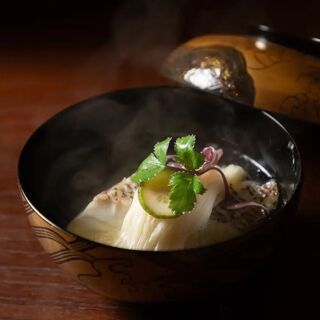
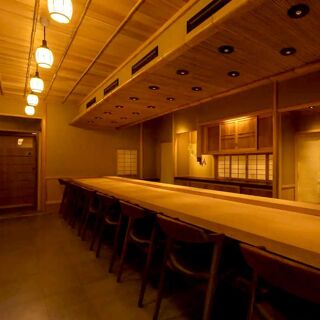
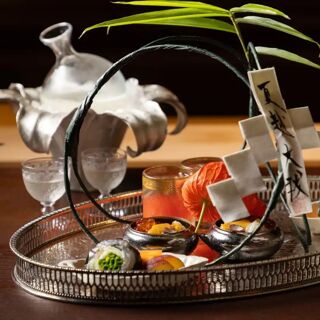
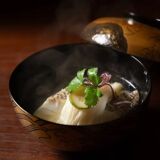
To improve himself, the chef strives to master the arts of tea ceremony, flower arrangement and calligraphy. Those traditional arts and forms are represented by the ideal of ‘shin-gyo-so’—formal, semi-cursive and cursive forms of writing, the first being the most orthodox and the last being the freest, with semi-cursive in between. The principle of shin-gyo-so is to preserve the essentials while giving rein to imagination. The chef follows another credo, the Zen principle of ‘sokkon’, or savouring the moment and banishing worldly thoughts. The chef pays attention to every detail, from cuisine and room arrangements to service.
Ubicación
580-1 Matsumotocho, Nakagyo-kuKyoto